
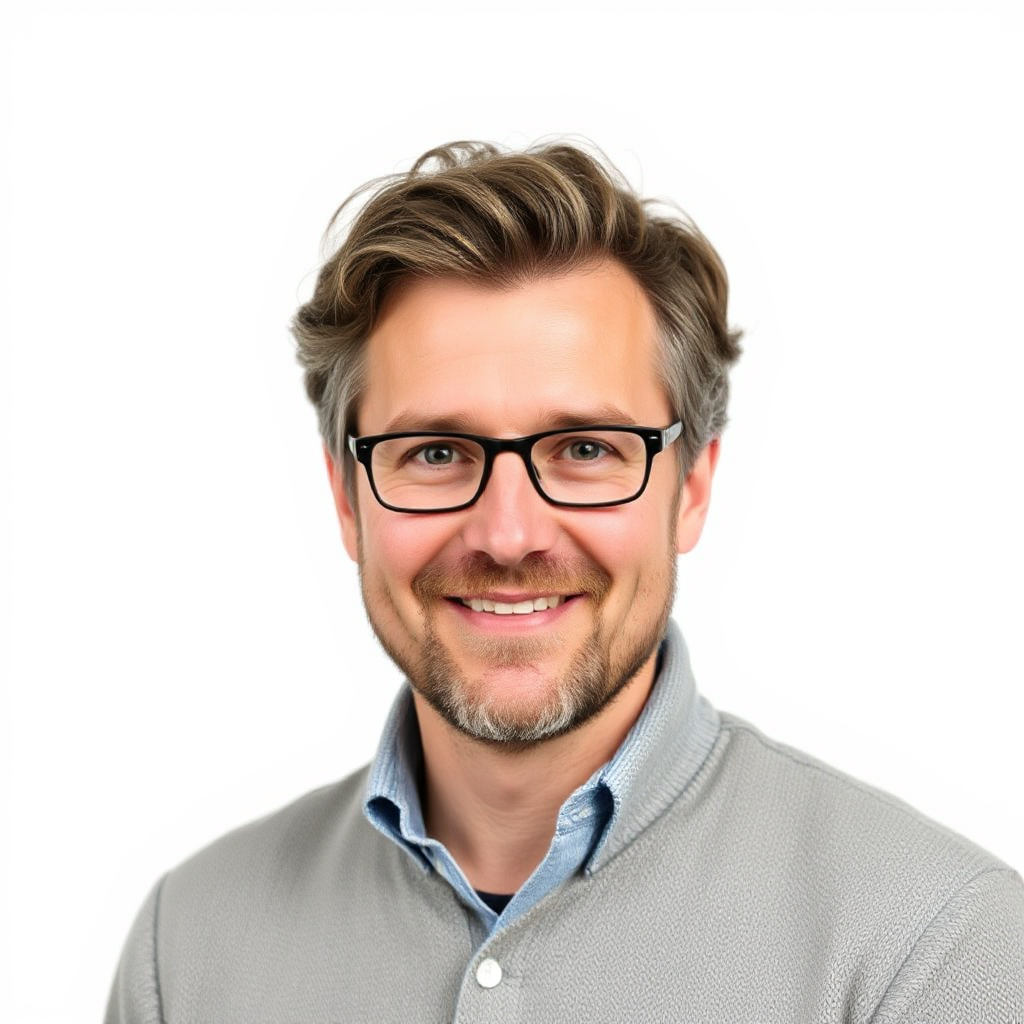
The late US vice-president Dick Cheney, who has died at age 84, was considered arguably the most significant occupants of that position in the nation's history. Whereas numerous VPs were confined to peripheral or symbolic positions, Cheney wielded enormous influence during the term of George W Bush, to such an extent that he was frequently referred to as the "real president".
Bush objected to such a characterisation and stated the relationship was more complicated. He noted that Cheney was deferential, invariably addressing him in public as the President, while he addressed him as Dick. Bush challenged even descriptions of their association as a collaboration because it suggested that they were peers. In spite of these objections, Cheney found the easygoing president accommodating on a wide array of governmental choices.
The Aftermath of 9/11
In charge of a faction of neo-conservatives that included Pentagon chief Donald Rumsfeld and deputy defence secretary Paul Wolfowitz, he pushed hard for the military intervention of Iraq in 2003 in response to the 9/11 attacks on New York and Washington. When of the 9/11 attack, Bush had been participating in a meeting at a school in Florida. Whereas Bush made his way to a underground facility in Nebraska, Cheney took command, directing the downing of any unidentified airplanes nearing the Capitol building.
Cheney claimed the attacks transformed him, making him become intent on revenge. In conjunction with other neo-cons, like Rumsfeld and Wolfowitz, he lobbied for a takeover of Afghanistan in an attempt to apprehend Osama bin Laden. Cheney then strongly advocated for the armed intervention of Iraq, although there was little proof of Saddam Hussein playing a role.
Disputed Decisions
He voiced no apologies about the armed intervention, in which an reckoned 100,000 Iraqis died, or about the enhanced interrogation of suspects rounded up after 9/11. He stated to CNN in 2015 that the Iraq invasion, which was predicated on faulty intelligence circulated by Cheney, was the correct decision. "It proved to be the correct action to do back then. I had faith back then and I maintain that stance presently."
However during that period, there were contrary opinions at a top tier about the botched execution of Iraq. One of the White House's own delegates to the area, General Anthony Zinni (2001-03), was not retained from the role. "I observed, at the very least," he wrote later "obvious failure, negligence, and unaccountability: at worst, falsehoods, ineptitude, and dishonesty."
Additional Factors
Cheney was not solely accountable for the Iraq military action. Even before 9/11, Wolfowitz had called for comparable steps. He had written a memorandum outlining situations in which national priorities might be endangered (encompassing "access to crucial commodities, mostly Persian Gulf oil"). Wolfowitz had asserted that "America should be positioned to act independently when cooperative measures prove impossible," specifically mentioning military moves against Iraq.
Bush additionally had arrived in the presidency generally inclined on carrying out what his parent had specifically avoided to do in 1991; topple Saddam. Following he had been fired by the White House, the treasury secretary Paul O'Neill revealed how, at the initial gathering of the National Security Council in January 2001, Bush had stated his intention of diminishing America's engagement in the regional tensions and proposed military action against Iraq.
Bush bore a private grievance against Saddam, thinking he had been involved in a plot to kill his predecessor, President George HW Bush, on a trip to Kuwait in 1993. He additionally resented that one of the largest hotels in Baghdad had a surface artwork with a likeness of his predecessor's face that each person had to tread upon.
Questioning Techniques
Yet it was Cheney who was one of the most outspoken behind invading Iraq, consistently citing information documents that were whether thin or totally inaccurate. He backed what the Bush White House politely called as "enhanced interrogation", the application of waterboarding and harsh treatment.
Answering a Senate document in 2014 that concluded that no actionable intelligence had been obtained through the interrogation methods, Cheney disregarded the findings as "loaded with crap". He told Fox News: "We instructed [the CIA] to implement measures and establish procedures to capture the bastards who killed 3,000 of us on 9/11 and ensure it never happened again. That's exactly what they did and they deserve a lot of recognition."
Public Persona
Cheney took pleasure in monikers assigned to him by opponents such as the dark character and the dark figure, and by the notion that he was a sinister influence directing Bush. In the author's 2013 publication about the two, Days of Fire: Bush and Cheney in the White House, Cheney is quoted as saying: "Am I the evil genius in the background that operates invisibly emerge from his hole? It's a advantageous way to function, actually."
Corporate Connections
Debate over his corporate affiliations followed him during his tenure as vice-president. Although he had minimal expertise in business but strong connections in military, especially in Saudi Arabia, he was asked to become part of Halliburton, one of the world's largest oil and gas conglomerates, in 1995 as leader and chief executive.
In 2000 he became Bush's VP candidate for the White House. Debatably, during the military campaign, Halliburton was given US contracts worth multiple billions.
It made him rich. His yearly earnings during his time at the company increased from his $258,394 while military head to millions. When he resigned in 2000 he had a compensation package totaling in excess of $20m|twenty

